
What are the Dangers of Asbestos?
Asbestos is a general term for a group of minerals made of microscopic fibres that have the ability to resist heat, fire and electricity. It was previously used in buildings for insulation, roofing and flooring purposes.
However, asbestos has since been discovered to cause several health problems and can be extremely dangerous if inhaled. The use of Asbestos has been banned in the UK since 1999 however is may still be present in older buildings. Because of this persons occupying these buildings could potentially be at risk of exposure to asbestos.
We have compiled a guide explaining the risks and diseases associated with asbestos as well as outlining those who are most likely to be affected.
If you suspect that asbestos may be present in your property you may arrange for an asbestos survey to be undertaken. It is recommended by the HSE that only Companies accredited by UKAS are commissioned to undertake asbestos surveys.
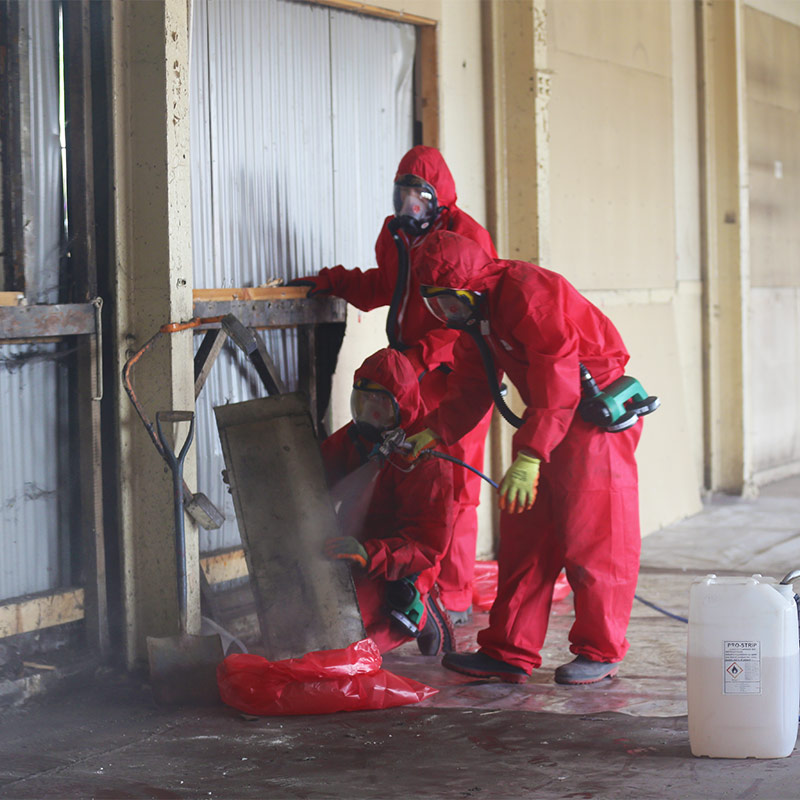
Dangers of Asbestos
If material containing asbestos is in good condition and remain intact it will not be hazardous however if disturbed they may release asbestos into the atmosphere where they can be inhaled.
Some of the fibres become trapped in the mucous membranes of the nose and throat and can be removed but others pass deep into the lungs or deep into the digestive tract if swallowed. Once they are trapped in the body, health problems can start to develop as the body cannot remove or break them down. Over time, these tiny particles can cause inflammation and serious health issues. The four main diseases associated with asbestos fibres are asbestosis, lung cancer, mesothelioma and pleural thickening.
Asbestosis
Asbestosis is a chronic, non-cancerous respiratory disease caused by inflamed fibres aggravating the lung tissues, causing them to scar. People who suffer from this are prone to getting out of breath quickly and can hear a dry crackling sound in their lungs whenever they inhale. In its advanced stages, there is a possibility the problem will cause cardiac failure.
There is currently no effective treatment for asbestosis, and those who renovate or demolish buildings that contain asbestos are the ones at increased risk of the illness.
Lung Cancer
Lung cancer is responsible for the largest number of deaths related to asbestos exposure, and is particularly common in people who are or have been directly involved in the mining, milling, manufacturing and use of asbestos and its products. Coughing, persistent chest pains and anaemia are just a few of the symptoms.
People who smoke and who have been exposed to asbestos fibres are at an even greater risk of developing lung cancer. It has been estimated that smokers stand a 50x greater chance of developing an asbestos related disease than those that don’t smoke.
Evidence has also suggested that other cancers, such as oesophagus, stomach and kidney, may be linked to ingesting asbestos.
Mesothelioma
Mesothelioma is a disease directly related to asbestos exposure. It is a rare form of cancer that usually occurs in the thin membrane lining of the lungs, chest, abdomen and sometimes the heart.
There is no cure for this fatal disease.
Pleural Thickening
Pleural thickening refers to the thickening and swelling of the lining of the lung’s and is caused by heavy asbestos exposure. In extreme cases the lung can be compressed causing shortness of breath and discomfort in the chest.

Who’s Affected by Asbestos?
Asbestos was used in thousands of buildings, commercial products and in numerous industrial applications. It can take many years for people who were exposed to develop asbestos-related illnesses. People who have worked in the following industries are more likely to develop conditions caused by asbestos fibres:
- Carpentry
- Plumbing
- Construction
- Roofing
- Plastering
It is important to remember that as asbestos still exists in a vast number of buildings, anyone can potentially inhale the fibres and develop an asbestos related disease however those who have had a prolonged exposure are the most susceptible.

Importance of Asbestos Surveys & Removal Services
If you suspect asbestos may be present in your building you can commission an asbestos survey to determine if and where it may be. Following the survey, a report will be compiled detailing the type of asbestos present, its location, extent and condition. The report will also give recommendations for dealing with each incidence such as repair, encapsulation or removal. The report can subsequently be used for compiling an Asbestos Management Plan enabling duty holders to comply with their obligations under the Control of Asbestos Regulations 2012 (Reg 4 , Duty to Manage)
Here at Rightway Environmental, we specialise in asbestos removal and consultancy. We are licensed by the Health and Safety Executive to carry out the safe removal of asbestos materials and our highly trained, customer focus team work in close cooperation with clients to ensure each project is delivered on time. Contact a member of our friendly team today for more information.